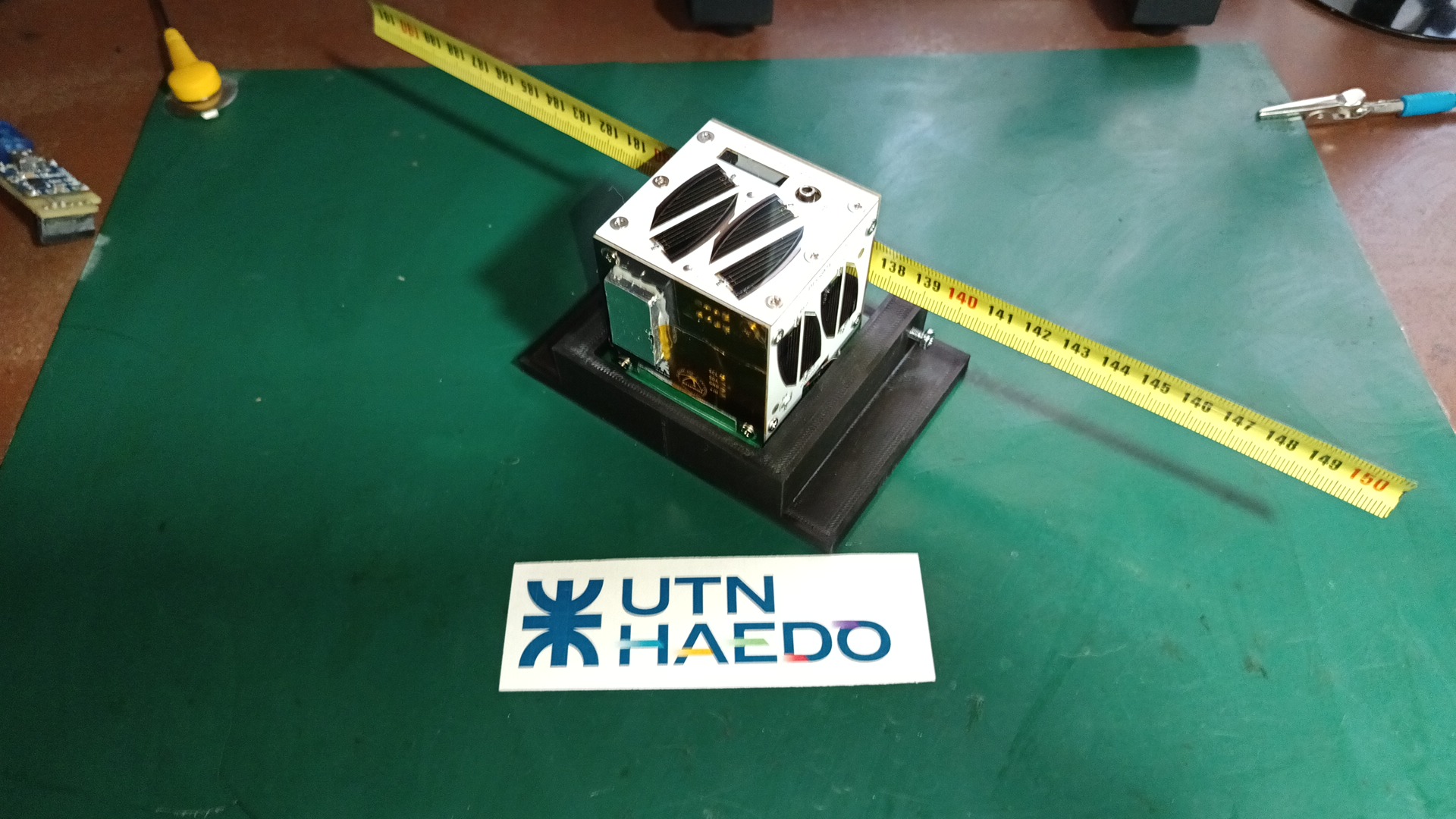
Education and academic missions
PocketQube-class programs for student teams, research groups, and STEM initiatives that want a real satellite pathway.
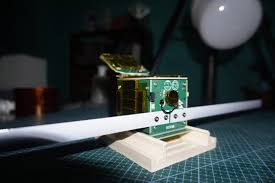
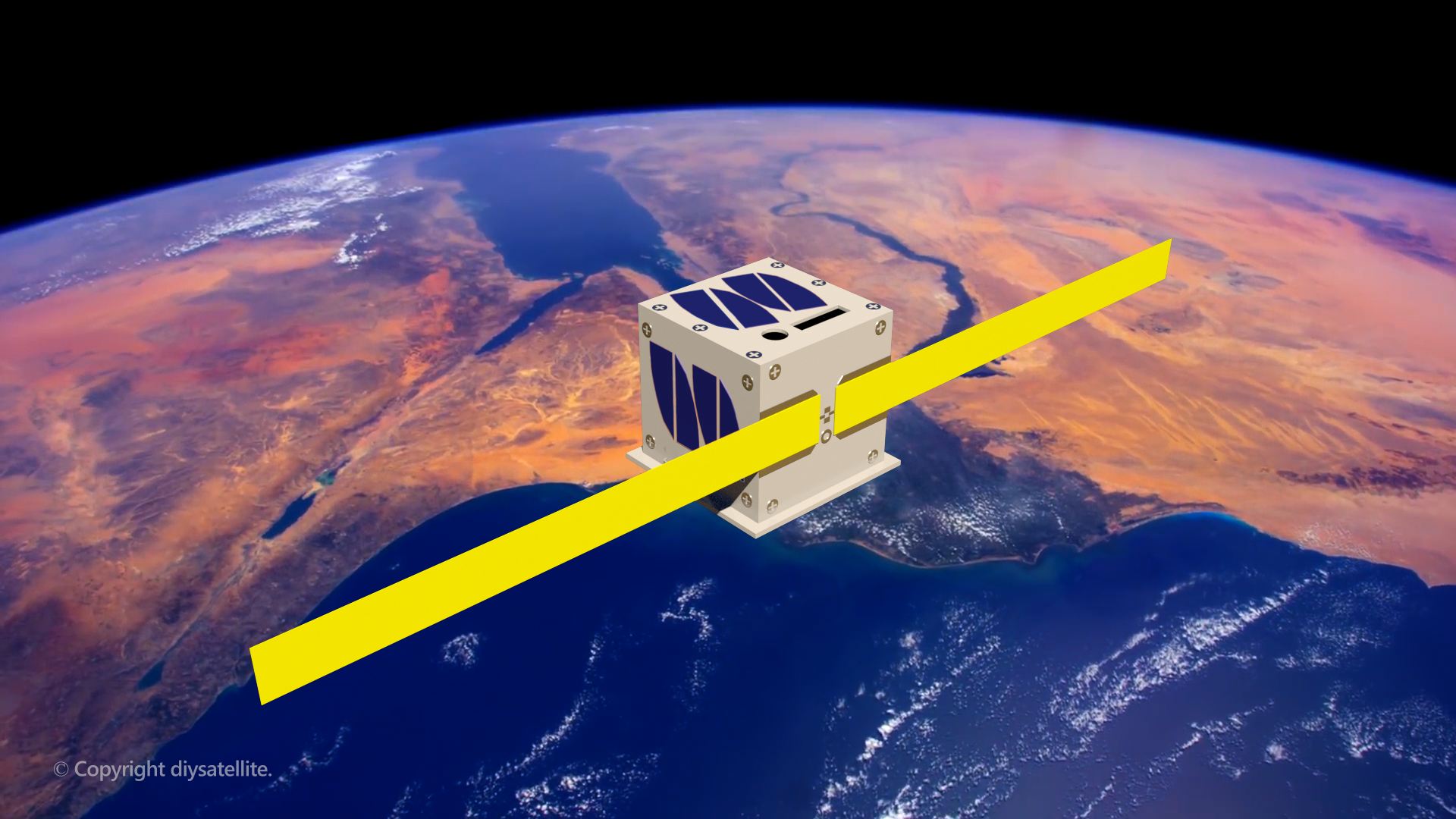
DIY Satellite develops PocketQube systems, deployer validation campaigns, and launch-oriented mission support for organizations that need a credible, lower-barrier path to orbit.
PocketQube missions starting from USD 15,000 depending on launch provider, complexity, payload, and mission objectives.
DIY Satellite is an Argentine aerospace initiative focused on practical PocketQube engineering. The company works on mission architecture, hardware integration, deployer validation, and launch support for compact spacecraft programs.
The objective is clear: reduce the barriers to access space for universities, startups, laboratories, and experimental teams by combining compact spacecraft design with a mission-oriented engineering approach.
PocketQube-class programs for student teams, research groups, and STEM initiatives that want a real satellite pathway.
Compact orbital missions for early hardware validation, subsystem testing, payload demonstration, and first-space products.
A lower-barrier route for teams developing communications, sensing, embedded systems, or other compact space hardware.
PocketQube mission architecture, subsystem definition, payload accommodation, and mission scoping.
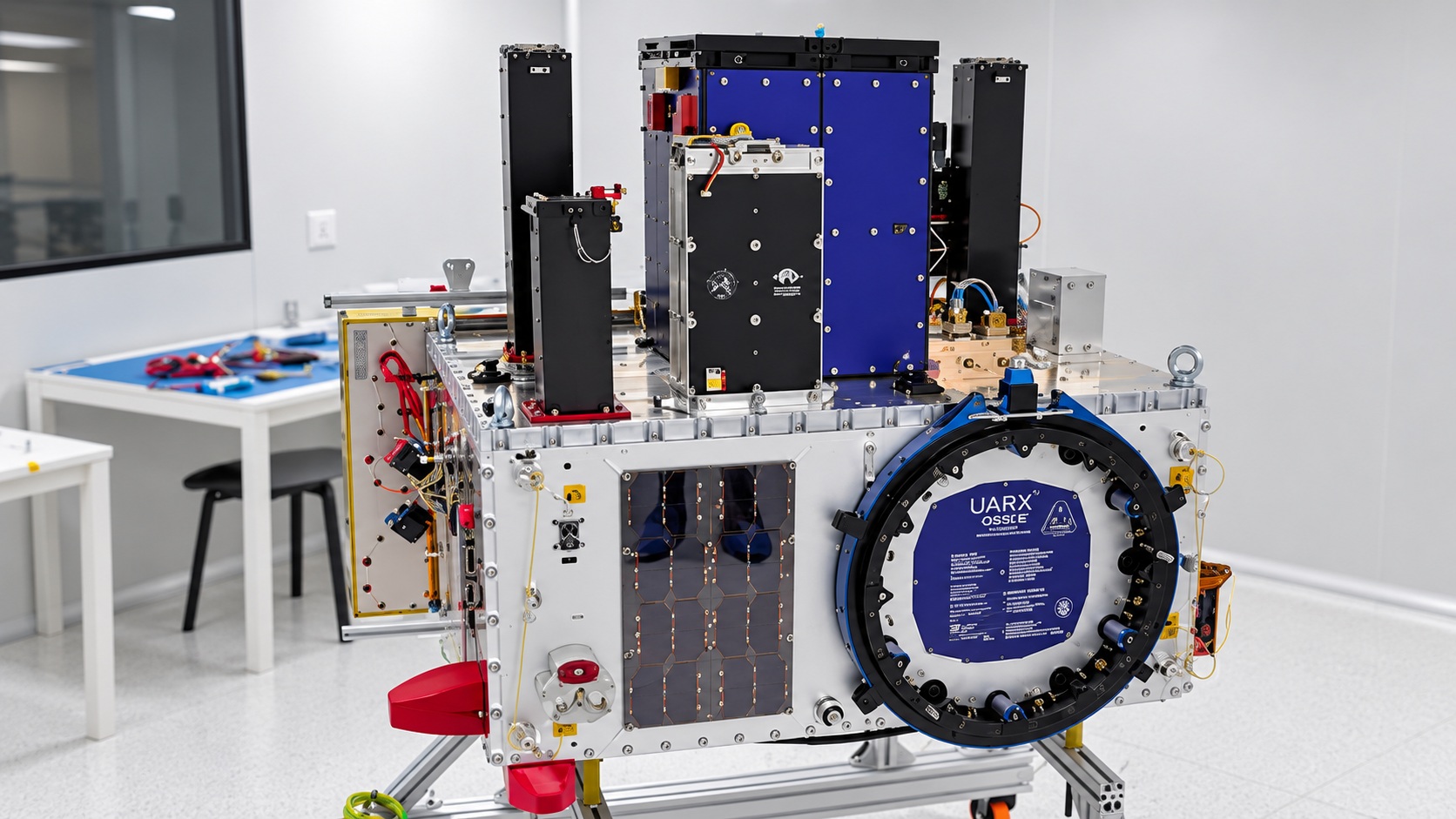
Assembly workflows, subsystem validation, interface review, and launch readiness preparation.
Deployer interface coordination, documentation support, and mission execution guidance.
Telemetry planning, communications workflows, and early-orbit operational support.
Early-stage hardware demonstration, subsystem verification, and proof-of-concept missions.
Compact scientific, sensing, or communications experiments that benefit from a real mission framework.
Hands-on space projects for aerospace, electronics, embedded systems, and communications programs.
DIY-1 established real orbital heritage for DIY Satellite. That milestone now supports the next stage: the first commercial deployer flight with customer missions planned for mid-2026.
Flight heritage matters because it turns the message from concept into execution. For universities, startups, and technical teams, that reduces risk and increases confidence in the path to orbit.
Send us your mission idea, payload, or validation goal and we’ll reply with feasibility, timeline, and next steps.
This is for universities, startups, and technical teams ready to move forward with a real mission.
We typically respond with an initial assessment and next steps within 24–48 hours.